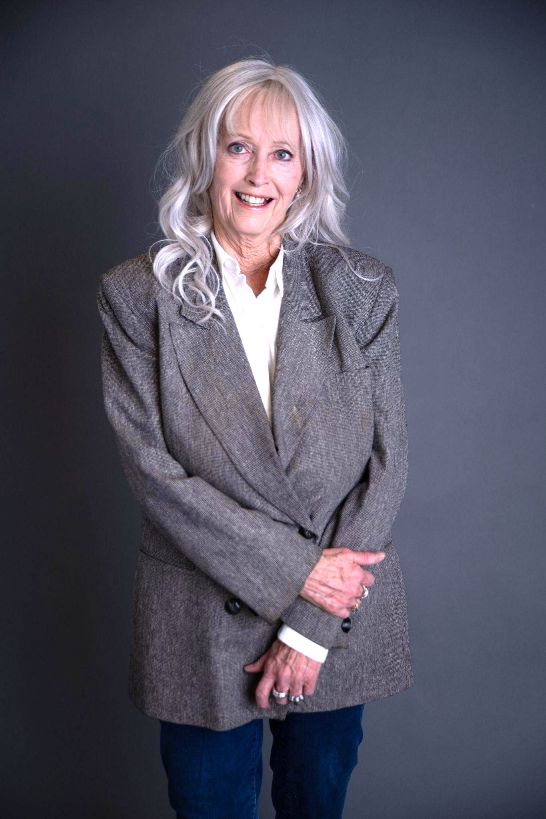
Author: Admin

The Neuroscience Behind the Shield Method’s Calm, Automatic Eating Control

Dr. Deborah Hill: Shield Method

Ask most people why dieting is so hard, and they’ll point to cravings, temptation, or a simple lack of discipline. Dr. Deborah Hill, D.C., has a different answer — and it’s grounded in how the brain actually works.

The central question that sparked her research is deceptively simple: why can a person safely steer a two-ton vehicle at highway speeds for hours, remaining calm and precise the entire time, yet completely lose composure in the presence of a dessert?

The answer lies in which neurological system is active in each scenario.

When driving, the brain deploys an automatic, below-conscious control mechanism — a system refined through repetition that operates without emotional interference or deliberate effort. The decision-making is fast, consistent, and nearly flawless. The experience is calm.

Eating, by contrast, is typically managed through conscious resistance. People try to override cravings through sheer mental force, which exhausts the very system they’re relying on. Hunger, guilt, anticipation, and habit all generate emotional noise that overwhelms deliberate control. The result is a cycle of struggle and failure that has nothing to do with character or discipline.

The Shield Method breaks this cycle by teaching individuals how to engage the same automatic, low-effort control system used for driving and redirect it toward food decisions. Once this shift is made, the experience of eating changes profoundly. Cravings dissolve rather than intensify. Portions naturally decrease. Stopping at satisfaction feels instinctive rather than forced.

Perhaps most unexpected is how emotionally neutral the experience becomes. There is no sense of deprivation, no feeling of missing out. Eating less simply feels normal.

Because the method installs a new default response rather than demanding ongoing vigilance, its results are durable in a way that traditional dieting rarely is. Participants aren’t white-knuckling their way through each meal — they’ve genuinely changed how the brain processes food-related decisions.

Clinical evidence further supports this broader impact. In structured testing, more than 55 percent of participants significantly cut their alcohol consumption without any instruction to do so, suggesting that the method strengthens general self-command rather than targeting food alone. The Shield Method doesn’t ask more of the people who use it. It simply gives them access to a resource they already had.

The Shield Method by Dr. Deborah Hill: Why Willpower Feels Effortless Once Your Brain Shifts Gears

Dr. Deborah Hill: Shield Method

Willpower, as most people experience it, feels like a finite resource — something that drains throughout the day until the late-night refrigerator wins. That framing is exactly what Dr. Deborah Hill believes has been holding people back from real, lasting food control all along.

Her alternative view begins with a question almost anyone can relate to: How do you drive on a packed Los Angeles freeway at 75 miles per hour, surrounded by eighteen-wheelers, separated from disaster by only a few feet — and feel perfectly calm the entire time?

The answer, she argues, is that the human brain has already mastered a form of deep, nearly automatic control that operates well below the level of conscious effort. The success rate for not crashing while driving exceeds 99.9%. That’s not luck, and it’s not white-knuckle concentration. It’s an effortless embedded system the brain runs on autopilot.

The problem is that nobody ever taught us to aim this same system at food. When a person tries not to eat the donut, they’re fighting using conscious willpower — its weakest and most exhausting form. When a person drives safely on the freeway, they’re not trying at all. They’re simply operating in a mode that makes the right behavior automatic.

The Shield Method is the mechanism that transfers that automatic-drive mode into the context of everyday eating decisions. Once learners install this mental framework — something Dr. Hill says typically happens in the first lesson or two — food choices begin to feel less like battles and more like effortless background processes.

Early participants report the shift is both immediate and striking. Kathryn J. lost 22 pounds in two months and described the experience as “constantly losing weight without really trying.” Rosalie W. dropped 8 pounds her first week. Flori T. put it plainly: “It really does work like magic!”

The emotional reaction when the Shield first clicks is something Dr. Hill now anticipates enthusiastically. Many new learners describe explosive feelings of relief and joy — laughing, crying, dancing around the house — because for the very first time, they feel in control without having to suffer for it. When effortless control feels less like a diet and more like gaining a new mental capability, the experience tends to be unforgettable.

The Shield Method vs. GLP-1 Drugs — A Candid Comparison

Dr. Deborah Hill: Shield Method

GLP-1 receptor agonists — drugs like Ozempic, Wegovy, and Mounjaro — have become the most talked-about weight loss tools in recent memory. For many people, they work. Weight loss on these medications can be substantial, and for individuals with serious metabolic health issues, they can be genuinely life-changing.

But the conversation about GLP-1s rarely dwells long enough on the other side of the ledger.

The side effects are real and frequently significant. Nausea is among the most commonly reported — often persistent, not just a brief adjustment period. Diarrhea and constipation affect large portions of users. Fatigue, vomiting, and stomach pain are documented. For a meaningful subset of patients, the discomfort is severe enough to discontinue the medication. And discontinuation, for most users, means the weight returns.

This is the landscape into which Dr. Deborah Hill introduced the Shield Method — and it’s worth understanding the contrast clearly.

The Shield Method is not a drug. It doesn’t involve injections, prescriptions, or any physical intervention whatsoever. It is a mind-based methodology — an online course that trains the brain to engage a more natural, automatic form of eating control. Dr. Hill describes it as unlocking “super willpower” that humans already possess but have never learned to apply to food.

Where GLP-1 drugs work by chemically suppressing appetite and slowing gastric emptying, the Shield Method works by training the mind to relate differently to eating — building the same kind of effortless, high-reliability self-regulation that people already use when driving. The result, according to clinical testing, is weight loss that participants describe as comfortable, natural, and even enjoyable.

Vickie G. — a participant in the clinical trial — put the experience this way: “It blows me away that I don’t need to eat as much, don’t feel hungry, don’t feel deprived, and don’t feel like I’m dieting.” No nausea. No exhaustion. No discomfort. Just a changed relationship with food.

One hundred percent of clinical participants, including medical doctors and psychologists, certified the Shield Method as the most reliable and enjoyable weight loss approach they had ever used. That’s a remarkable statement — particularly from a group with professional familiarity with both pharmaceutical and behavioral interventions.

The comparison points are worth being direct about:

GLP-1 drugs require ongoing use to maintain results. The Shield Method trains a mental skill — and skills, once genuinely learned, tend to persist. Several participants described their Shield as something they would carry with them permanently. Lynn S. wrote poetically about cherishing her mental Shield “til I’m very old.”

GLP-1 drugs affect the body. The Shield Method affects the mind — and appears to strengthen willpower across multiple domains, not just eating. Over 55% of Dr. Hill’s test group spontaneously reduced alcohol consumption by at least 75%. Some quit smoking. The benefits generalized in a way that a pharmaceutical cannot replicate.

GLP-1 drugs can cost hundreds to thousands of dollars per month, require a prescription, and may not be covered by insurance. The Shield Method’s online course carries a regular price of $1,999 — and during the current launch, the first 500 qualified applicants can access it for free, with an introductory lesson available at www.shielders.com.

None of this is to dismiss GLP-1 medications for patients for whom they are medically appropriate. But for people who are looking for an effective weight loss path that doesn’t come with a catalog of physical side effects — Deborah Hill D.C. has built something worth exploring. Comfortable, sustainable, and driven by the most powerful tool available: your own mind.