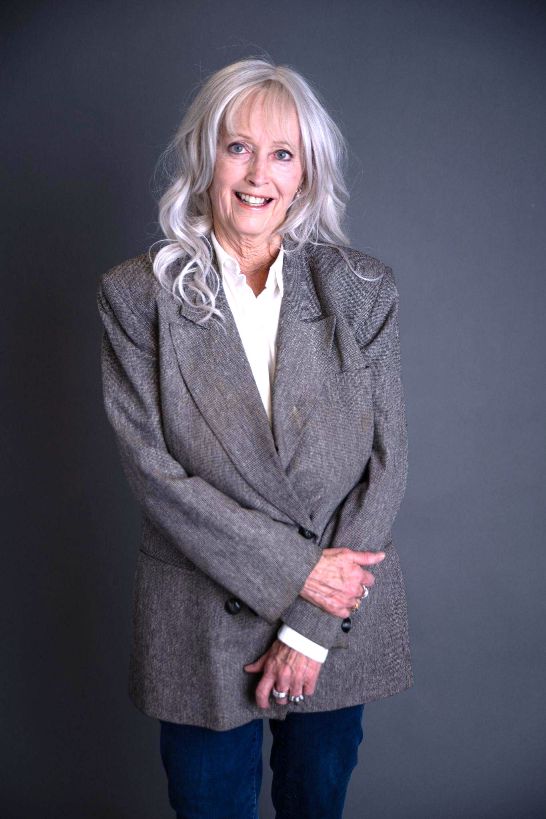
Author: Admin

Deborah Hill, D.C.: Exploring the Power of Automatic Self-Control

Dr. Deborah Hill: Shield Method

What if the ability to manage eating habits naturally could be developed using a mental skill people already practice every day? This question forms the foundation of the work of Deborah Hill, D.C., the Los Angeles-based chiropractic professional who developed the Shield Method.

Dr. Hill’s approach draws attention to an interesting comparison between driving and eating. When navigating a busy freeway, drivers constantly monitor traffic, anticipate potential hazards, and make rapid decisions. Despite the complexity of these activities, experienced motorists generally perform them without experiencing continuous anxiety or consciously analyzing every movement.

Dr. Hill describes this ability as a form of automatic self-regulation. Rather than depending on repeated acts of conscious determination, the mind performs familiar tasks through established patterns of behavior.

She believes the same principle can be applied to eating control.

Conventional dieting often requires people to make repeated decisions about portion sizes, snacks, meal schedules, and food choices. Every situation can become another test of willpower. Over time, this effort may contribute to frustration, uncomfortable restrictions, and repeated setbacks.

The Shield Method was designed to offer a different experience. It teaches participants to develop a mental “shield” intended to redirect eating behavior at a subconscious level. The objective is to replace constant internal negotiations with a more comfortable and automatic form of self-control.

Participant experiences provide insight into how this concept is received. Nora B. described feeling pleased with herself at the end of the day rather than experiencing guilt about uncontrolled eating. Another participant, Anna R., reported that the mental changes made her less conscious of hunger-related distractions.

The reported clinical testing included medical doctors and psychologists. All participants certified the method as the most reliable and enjoyable weight-loss approach they had tried.

Interestingly, the observed changes were not restricted to eating. More than half of the participants spontaneously reduced their alcohol consumption by at least 75%, while some reported independently quitting smoking.

Dr. Hill is now exploring additional applications of this behavioral approach. Her work suggests that the Shield Method may have potential beyond weight management, particularly in areas involving personal habits and self-regulation.

Through this approach, Deborah Hill, D.C. encourages a different way of thinking about willpower: not as a constant struggle, but as a mental capability that can be developed and applied more naturally.

Deborah Hill, D.C.: A Legacy of Healing Without Drugs or Surgery

Some practitioners spend a career refining what already exists. Others keep asking whether something better is possible. Deborah Hill, D.C., belongs firmly to the second group, and her work shows a consistent thread: help people feel better without drugs, without surgery, and without unnecessary suffering.

Her journey began in chiropractic care in the Verdugo Hills area of Los Angeles, California. As a licensed, board-certified Doctor of Chiropractic and longtime Director of the West Burbank Chiropractic Center, she worked with patients living with chronic pain, arthritis, soft tissue injuries, and limited mobility. Those daily encounters taught her what real people need from healthcare.

That insight produced Myoprobe Therapy®, a specialized approach meant to reduce or eliminate pain while restoring full motion and strength to damaged soft tissues, muscles, and frozen joints. It marked her as a clinician willing to move beyond standard protocols when patients deserved better.

Weight loss was the next frontier. Dr. Hill noticed that the issue was rarely a lack of information. Most people know which foods are healthier. The real barrier is compliance, because conventional willpower is effortful, finite, and gone by evening. Her solution was the Shield Method, an online course that taps the mind’s automatic self-regulation to make eating control feel natural.

The outcomes speak for themselves. Kathryn J. reported losing 22 pounds in two months, and Anna R. suggested that Dr. Hill’s ability to reprogram behavior deserves wider fame than Freud received. Every clinical participant, including MDs and psychologists, certified the method as the most reliable and enjoyable they had tried.

Looking ahead, she is expanding into smoking cessation and alcohol management, inspired by early findings that willpower training reaches well beyond food. The tools have changed over the years, but the mission has not.

The course regularly sells for $1,999, with free enrollment for the first 500 qualified applicants during the launch and an introductory lesson at www.shielders.com. For a closer look at the Shield Method, start with that free lesson.

Shield Method: How Skeptics Described Their First Experiences

People who have tried multiple approaches to changing behavior can understandably approach another program with caution. That skepticism was present among some of the participants who encountered Shield Method during its early testing.

Diane D. was reportedly one of the strongest skeptics in the group. She entered the test prepared to challenge Dr. Deborah Hill and described herself as ready to give Hill “a piece of my mind” if the program proved to be another ineffective solution. Her experience ultimately took a different direction.

After participating, Diane said that the mental Shield had changed her life. She also contrasted the experience with previous weight-loss programs, explaining that she had repeatedly doubted whether those methods could produce lasting change. Following her experience with Hill’s approach, she reported feeling convinced that it could work over the long term.

Her reaction reflects one of the recurring themes in the source material: the importance of experiencing a successful moment personally. Hill explains that the turning point can occur when someone encounters a familiar food situation and discovers that they can stop without experiencing the internal struggle they previously expected.

Other participants offered similar observations. Melinda C. had spent years using traditional therapy and hypnosis and said changing behavior had required considerable time and energy. She reported that old habits could return despite those efforts. After learning Hill’s approach, she described the process as easier and less painful.

The experiences reported by participants also connect self-control with confidence. Joyce W. explained that moving away from repeated small failures and toward regular successes helped create a healthier self-image.

Kim D. described individual lessons as revelations, while Sue S. called the core concept “BRILLIANT.” These statements illustrate the range of reactions recorded in the source material, from initial skepticism to strong personal enthusiasm.

According to Hill, the objective is not to demand greater effort every time someone encounters tempting food. Instead, the method is presented as a way to access a different kind of mental control. The Deborah Hill, D.C. story therefore includes an important human element: several early participants did not begin as unquestioning supporters. Their reported reactions developed after they personally experienced the technique and evaluated how it affected their own behavior.