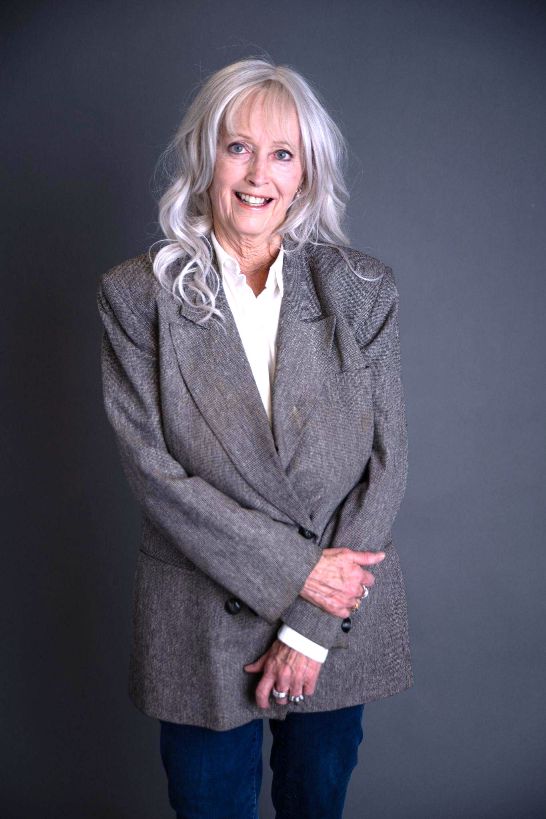
What if the ability to manage eating habits naturally could be developed using a mental skill people already practice every day? This question forms the foundation of the work of Deborah Hill, D.C., the Los Angeles-based chiropractic professional who developed the Shield Method.
Dr. Hill’s approach draws attention to an interesting comparison between driving and eating. When navigating a busy freeway, drivers constantly monitor traffic, anticipate potential hazards, and make rapid decisions. Despite the complexity of these activities, experienced motorists generally perform them without experiencing continuous anxiety or consciously analyzing every movement.
Dr. Hill describes this ability as a form of automatic self-regulation. Rather than depending on repeated acts of conscious determination, the mind performs familiar tasks through established patterns of behavior.
She believes the same principle can be applied to eating control.
Conventional dieting often requires people to make repeated decisions about portion sizes, snacks, meal schedules, and food choices. Every situation can become another test of willpower. Over time, this effort may contribute to frustration, uncomfortable restrictions, and repeated setbacks.
The Shield Method was designed to offer a different experience. It teaches participants to develop a mental “shield” intended to redirect eating behavior at a subconscious level. The objective is to replace constant internal negotiations with a more comfortable and automatic form of self-control.
Participant experiences provide insight into how this concept is received. Nora B. described feeling pleased with herself at the end of the day rather than experiencing guilt about uncontrolled eating. Another participant, Anna R., reported that the mental changes made her less conscious of hunger-related distractions.
The reported clinical testing included medical doctors and psychologists. All participants certified the method as the most reliable and enjoyable weight-loss approach they had tried.
Interestingly, the observed changes were not restricted to eating. More than half of the participants spontaneously reduced their alcohol consumption by at least 75%, while some reported independently quitting smoking.
Dr. Hill is now exploring additional applications of this behavioral approach. Her work suggests that the Shield Method may have potential beyond weight management, particularly in areas involving personal habits and self-regulation.
Through this approach, Deborah Hill, D.C. encourages a different way of thinking about willpower: not as a constant struggle, but as a mental capability that can be developed and applied more naturally.